
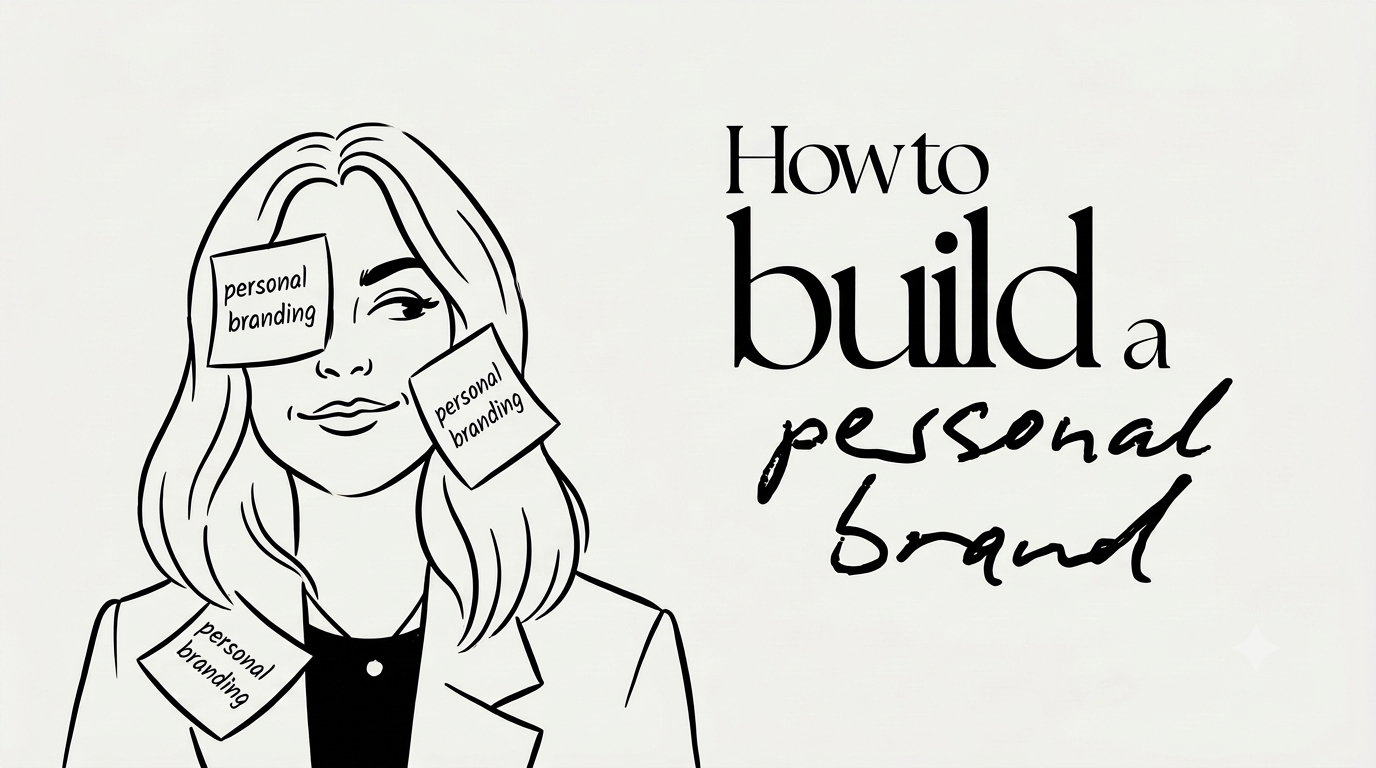
Personal branding for designers is the process of showcasing your creative process, design thinking, and unique visual style across digital platforms to attract clients and career opportunities. Instead of relying solely on crowded job portals, learning how to create a personal brand as a designer helps you establish credibility, demonstrate your problem-solving abilities, and attract valuable projects.
For design students, freshers, freelancers, and working professionals, building a strong online presence is becoming increasingly important. While a portfolio showcases what you have created, a personal brand communicates how you think, whom you help, and why clients or employers should choose you.
In this guide, you will learn why personal branding matters for designers, what makes a strong design brand, and how to build one step by step through LinkedIn optimization, design portfolio development, content strategy, and sharing your creative process.
Why Personal Branding Matters for Designers
The way companies, founders, and creative directors discover and hire designers has evolved. Although job portals remain useful, recruiters and potential clients also explore professional networks and social media platforms to discover creative talent.
Relying exclusively on job applications can make it difficult to stand out in a competitive market. A strong online presence for designers helps you showcase your expertise, communicate your creative approach, and build trust before a potential client contacts you.
With effective personal branding for graphic designers, you can move beyond constantly searching for opportunities and start attracting relevant inquiries.
A strong personal brand helps you:
- Establish your design niche: Position yourself as a specialist rather than a generalist.
- Build professional credibility: Earn trust before a prospective client reaches out.
- Showcase creative thinking: Demonstrate your problem-solving and design decision-making abilities.
- Attract better-paying projects: Communicate the value of your expertise to potential clients.
- Find freelance graphic design clients: Improve your visibility among businesses looking for design services.
- Create career opportunities: Build connections that can lead to collaborations, speaking opportunities, and full-time creative roles.
Personal branding does not replace strong design skills. Instead, it amplifies your craftsmanship and helps the right audience discover your work.
What Is a Designer’s Personal Brand?
A designer’s personal brand is the overall impression people form of your visual style, communication, professional values, and creative work. It goes beyond having a custom logo, an attractive social media profile, or a consistent colour palette.
In simple terms, your personal brand is what people remember and say about your design work when you are not in the room.
Difference Between a Design Portfolio and a Personal Brand
Many designers confuse a portfolio with a personal brand. Although both are essential for design client acquisition, they serve different purposes.
A portfolio showcases your finished projects, while a personal brand provides context by communicating your thought process, working style, professional values, and industry perspective.
Aspect
Portfolio Only
Personal Brand
Primary Focus
Finished designs and deliverables
Creative thinking, design journey, and client outcomes
Visibility
Often depends on sharing a direct link
Builds visibility through search, social feeds, and recommendations
Trust Factor
Demonstrates technical skills
Communicates consistency, reliability, and expertise
Client Acquisition
Supports applications and direct pitches
Can generate inbound inquiries and referrals
Differentiation
Visual quality and project selection
Personality, design philosophy, and specialization
Content Strategy
Often updated after completing major projects
Grows through regular posts and professional updates
Platforms
Behance, Dribbble, or a personal website
LinkedIn, social media, and portfolio platforms
Understanding this difference helps you turn static design projects into engaging content that builds recognition and attracts potential clients.
Key Elements of a Strong Design Personal Brand
Building an authentic brand becomes easier when you focus on four essential elements.
1. Develop a Recognizable Personal Design Style
Your personal design style is your visual signature. It reflects how you use typography, colour harmony, spatial balance, composition, and visual hierarchy.
Developing a recognizable style does not mean limiting yourself to one type of project. Instead, it means maintaining consistent quality, attention to detail, and creative principles across different design briefs.
2. Define Your Design Niche and Target Audience
Designers often struggle to stand out when their positioning is too broad. Defining your target audience makes your personal brand more relevant to the people you want to reach.
For example, you could specialize in brand identity for startups, social media design for lifestyle brands, or user interface design for fintech applications.
Clear positioning helps potential clients understand your expertise and the specific problems you can solve.
3. Build a Curated Design Portfolio
A focused design portfolio with three to five detailed case studies can communicate your abilities more effectively than a large collection of unrelated mockups.
Follow these design portfolio tips:
- Choose projects that reflect your strongest skills.
- Explain the problem behind each design.
- Show your research, concepts, and creative process.
- Present the final outcome using relevant mockups.
- Include measurable results when reliable data is available.
Prioritize quality, storytelling, and clarity over the number of projects you display.
4. Create a Consistent Content Strategy
A repeatable content strategy for designers helps you stay visible and build professional recognition without spending all your time creating social media posts.
Plan content around your projects, tutorials, industry insights, and creative experiments. A consistent publishing schedule makes it easier for potential clients and creative directors to understand your expertise over time.
Content Formats Designers Can Share Across Platforms
Many designers hesitate to publish content because they do not know what to share. However, effective social media marketing for designers does not require lifestyle videos or constant self-promotion.
You can build your personal brand by documenting your design journey and sharing useful insights from your everyday work.
1. Share Design Case Study Breakdowns
Instead of posting only the final poster, website, or app screen, create detailed design case studies.
Explain the original problem, initial sketches, typography explorations, rejected concepts, and reasoning behind the final design. This allows potential clients to understand how you approach challenges and develop solutions.
2. Publish Work-in-Progress Design Posts
Sharing work-in-progress design posts gives your audience a glimpse into your creative workflow.
You can share early concepts, mood boards, wireframes, unfinished illustrations, or different design variations. These posts demonstrate how your projects evolve and help establish trust in your process.
3. Create Before-and-After Redesigns
Before-and-after redesigns are an effective way to demonstrate your design skills.
Choose an outdated menu, cluttered poster, confusing website, or poorly structured mobile interface. Show how you would improve its visual hierarchy, contrast, readability, and overall user experience.
These posts communicate your ability to identify problems and make practical improvements.
4. Share Design Tool Tips and Tutorials
Publish short tutorials featuring tools such as Adobe Illustrator, Figma, Photoshop, and After Effects.
You can demonstrate useful shortcuts, explain a particular effect, or share a faster way to complete a design task. Educational content highlights your technical knowledge and provides value to other designers.
5. Explain Your Creative Decisions
Use short posts to explain why you selected a particular typeface, colour palette, layout, or visual direction.
Explaining your design rationale demonstrates that your creative decisions are based on purpose rather than decoration. It also helps clients understand the strategic thinking behind your work.
Skills Designers Need to Build a Personal Brand
Building a strong brand requires more than technical design knowledge. Developing the following skills can help you communicate your expertise and expand your professional network.
- Visual storytelling: Present projects in a way that communicates their creative and business impact.
- Professional copywriting: Write clear project descriptions, LinkedIn headlines, and proposals without unnecessary jargon.
- Content curation: Select your strongest work to maintain a professional and consistent online presence.
- Design rationale: Explain the reasoning behind your typography, layouts, colour choices, and visual decisions.
- Community engagement: Participate in meaningful conversations and provide thoughtful feedback on other designers’ work.
Combining these skills with strong design fundamentals can make your personal brand more credible and memorable.
Career Opportunities Created by Personal Branding
Effective personal branding for graphic designers can create opportunities beyond traditional job applications.
1. Inbound Freelance Projects
Consistently showcasing your expertise can help potential clients discover your work and approach you with project inquiries. This may reduce your dependence on cold outreach and competitive bidding.
2. Agency Retainers
Branding studios, creative agencies, and marketing firms may discover specialized designers through their public work and professional networks. A strong personal brand can help you establish relationships for recurring freelance projects.
3. Senior In-House Design Roles
Hiring managers may use LinkedIn and portfolio platforms to discover designers whose work demonstrates creative leadership, strategic thinking, and problem-solving abilities.
4. Mentorship and Workshop Opportunities
Designers who consistently share useful insights may attract opportunities to conduct workshops, participate in webinars, or mentor aspiring creatives.
5. Digital Design Asset Sales
A relevant audience can also create opportunities to sell digital products such as typefaces, icon sets, UI kits, templates, and mockups.
The results depend on your expertise, audience, consistency, and the value you provide.
How Beginners Can Start Building a Personal Brand as a Designer
If you are wondering how to promote yourself as a designer without sounding boastful, follow this practical roadmap.
Step 1: Define Your Design Focus and Target Audience
Before creating content or optimizing your profiles, identify the problems you want to solve.
Are you interested in brand identity for startups, UI design for mobile applications, or illustration for children’s books?
Defining your design niche helps you create focused messaging and attract an audience that values your expertise.
You can refine your positioning as your skills, interests, and professional experience grow.
Step 2: Optimize Your LinkedIn Profile
LinkedIn for graphic designers can be a useful platform for professional networking, sharing projects, and connecting with potential clients or employers.
Optimize your profile with these elements:
- Professional Profile Photo: Use a clear, well-lit photograph that presents you professionally.
- Custom Banner Graphic: Showcase your design style, specialty, tagline, or selected work through your profile banner.
- Keyword-Rich Headline: Replace a generic title such as “Graphic Designer” with a clear description of your expertise and audience. For example, “Brand Identity Designer for Emerging Businesses.”
- Featured Section: Highlight your website, portfolio PDF, and strongest case studies.
- Detailed Experience: Explain your responsibilities, creative contributions, problem-solving approach, and project outcomes.
A well-optimized LinkedIn profile for designers makes it easier for visitors to understand your expertise and explore your work.
Step 3: Curate and Present Your Design Portfolio
Apply effective design portfolio best practices by focusing on relevance, storytelling, and presentation.
- Select four to six relevant, high-quality projects.
- Structure each case study around the brief, challenge, process, and final solution.
- Include sketches, explorations, and design decisions where relevant.
- Use realistic mockups to demonstrate how the work would appear in its intended environment.
- Explain the outcome of each project without exaggerating results.
Your portfolio should demonstrate not only what you can create but also how you approach creative challenges.
Step 4: Share Your Design Process Publicly
Make sharing your design process a regular habit. Whenever you reach a project milestone, save screenshots of your artboards, wireframes, mood boards, early concepts, or design iterations.
Turn these into short posts, carousels, or videos that explain what you are working on and why you made specific decisions.
You do not need to reveal confidential client information. Personal projects and practice redesigns can also demonstrate your thinking and skills.
Over time, sharing your process helps people become familiar with your work and approach.
Step 5: Develop a Recognizable Style Without Limiting Your Creativity
A recognizable personal brand for designers does not require you to use the same colours, layouts, or effects in every project.
Instead, build consistency through:
- A recognizable presentation style for your social media posts.
- Consistent typography and visual hierarchy in your content.
- A clear, conversational tone in your writing.
- A coherent approach to presenting and explaining your projects.
This allows you to maintain a recognizable identity while adapting your work to different clients, industries, and creative requirements.
Step 6: Build a Sustainable Content Strategy
Consistency matters more than posting every day. A realistic content calendar for designers helps you stay active while protecting time for learning and client work.
Here is an example of a simple weekly schedule:
- Tuesday: Publish a detailed project breakdown or carousel explaining your design rationale.
- Thursday: Share a quick design tip, software technique, or typography recommendation.
- Saturday: Post a behind-the-scenes update, work-in-progress preview, or reflection on a design resource.
Adjust the frequency and formats according to your workload and audience response. Focus on creating content that reflects your expertise and provides value.
Step 7: Engage With the Creative Community
Networking for designers is not limited to sending connection requests or asking people for work. It involves building genuine professional relationships.
Spend a little time each day engaging with other designers, creative directors, founders, and potential clients.
Participate in design discussions, share constructive feedback, join relevant creative challenges, and answer questions where you can offer useful insights.
Meaningful engagement helps you build relationships and become a recognizable member of your professional community.
Step 8: Turn Inbound Attention Into Freelance Opportunities
Building visibility is only one part of getting design clients online. You also need to make it easy for interested people to contact you.
Add a professional email address, portfolio link, or inquiry form to your social media profiles. When someone expresses interest in your work, respond promptly and ask relevant questions about the project scope, timeline, objectives, and budget.
Keep your communication clear and professional so prospective clients understand how to work with you.
For aspiring creatives who need structured guidance, practical training can help strengthen the skills behind their personal brand. At Yogi Arts Design School (YADS), students develop visual fundamentals and build portfolios through hands-on, project-based training designed to prepare them for creative careers.
Personal Branding Is an Amplification of Your Design Skills, Not a Replacement
Building an online presence should never come at the expense of developing strong graphic design fundamentals.
Follower counts and social media engagement cannot compensate for weak typography, poor composition, or a limited understanding of colour theory. A personal brand needs strong creative work behind it to establish lasting credibility.
The most effective approach is to develop your design skills first and then use personal branding to communicate those skills to the right audience.
Your creative work builds the foundation. Your content, professional relationships, and online presence help people discover it.
Frequently Asked Questions About Personal Branding for Designers
1. What Is Personal Branding for Designers?
Personal branding for designers is the process of communicating your design style, creative problem-solving approach, and professional values across digital platforms to attract clients, employment opportunities, and professional connections.
2. How Can I Get Design Clients Online Without Cold Emailing?
You can improve your chances of getting design clients online by publishing detailed project breakdowns, sharing testimonials where available, optimizing your LinkedIn profile, and consistently demonstrating your creative process. These activities can help potential clients discover your work and initiate conversations.
3. Is LinkedIn Useful for Graphic Designers?
Yes. LinkedIn for graphic designers can support professional networking, portfolio visibility, job discovery, and client acquisition. An optimized profile and consistent sharing of relevant projects can help you connect with recruiters, agency owners, founders, and marketing professionals.
4. How Many Projects Should Be in a Design Portfolio?
A strong design portfolio can feature four to six high-quality case studies that demonstrate your skills, process, and problem-solving abilities. The ideal number depends on your experience and the roles or clients you want to attract. Focus on relevance and depth rather than quantity.
5. Can I Have a Personal Design Style and Still Work With Different Clients?
Yes. A personal design style reflects your creative judgment, attention to detail, and approach to solving problems. You can maintain consistent quality and a recognizable professional identity while adapting colours, typography, layouts, and visual direction to meet different client requirements.
Conclusion: Build a Personal Brand That Supports Your Design Career
The future of creative career growth belongs to designers who make both their work and their thinking visible.
You do not need thousands of followers to start building a successful personal brand as a designer. You need a clear area of expertise, a strong portfolio, an authentic way of presenting your creative process, and consistency across relevant professional platforms.
Start small. Optimize your LinkedIn profile this week, write one detailed design case study, and share a work-in-progress post. Keep improving your skills while making your work easier to discover.
By turning your creative process into a visible professional asset, you can strengthen your reputation, build meaningful industry connections, and create more opportunities for long-term graphic design career growth.